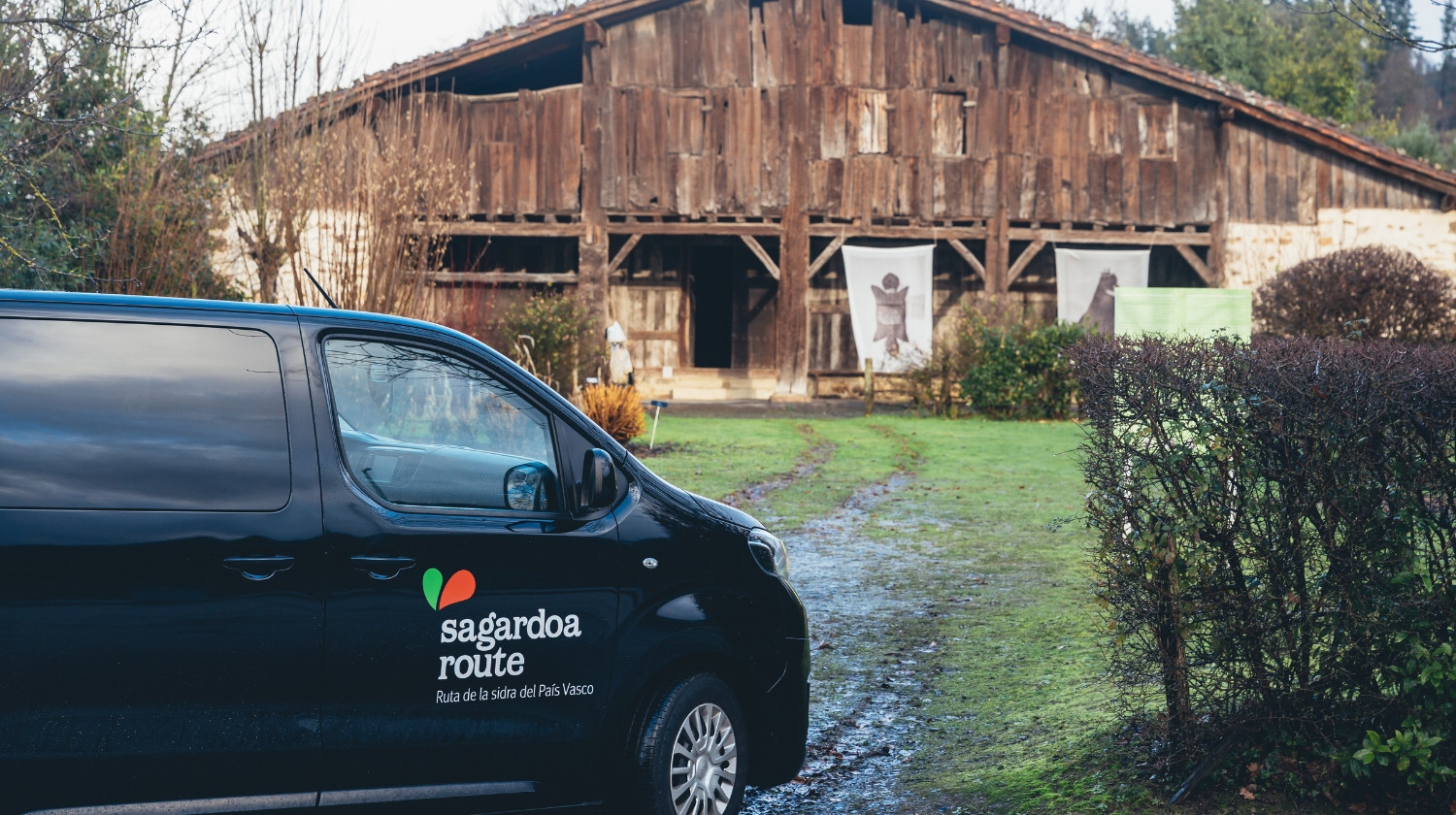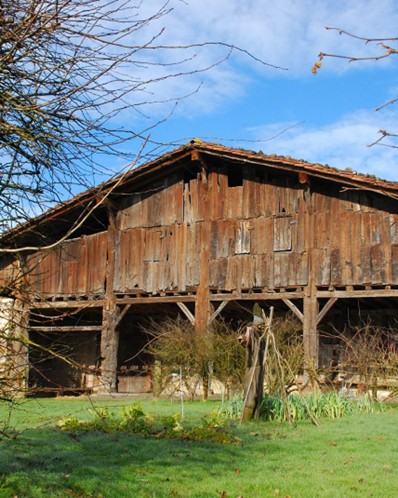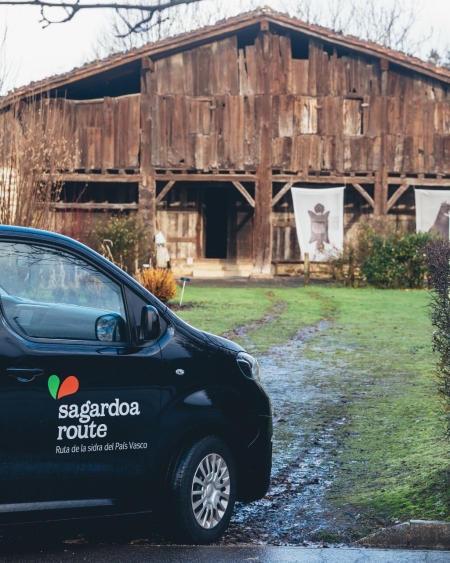

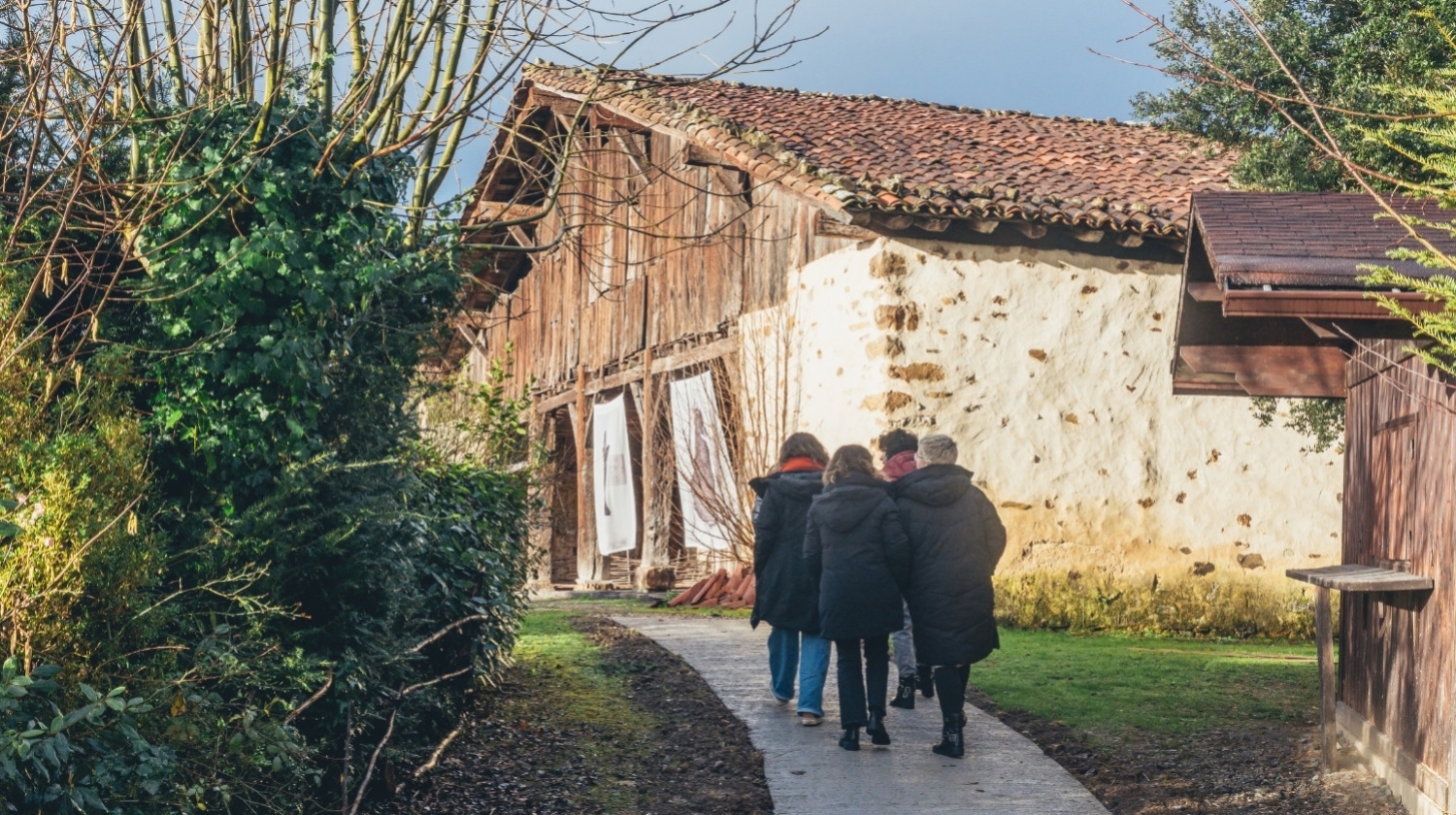
This beam-press farm, one of the best preserved of its kind, shows how everyday life revolved for centuries around cider production, the land, and family work.
The experience is completed with a visit and meal at a traditional cider house, organised by Sagardoa Route, creating a perfect combination of heritage, culture and gastronomy.
Igartubeiti farmhouse: a place to live, work and produce
Igartubeiti was not just a home. It was a true production unit where people, animals and trades coexisted under the same roof. Walking through the interior helps visitors understand how each space had a specific and practical purpose.
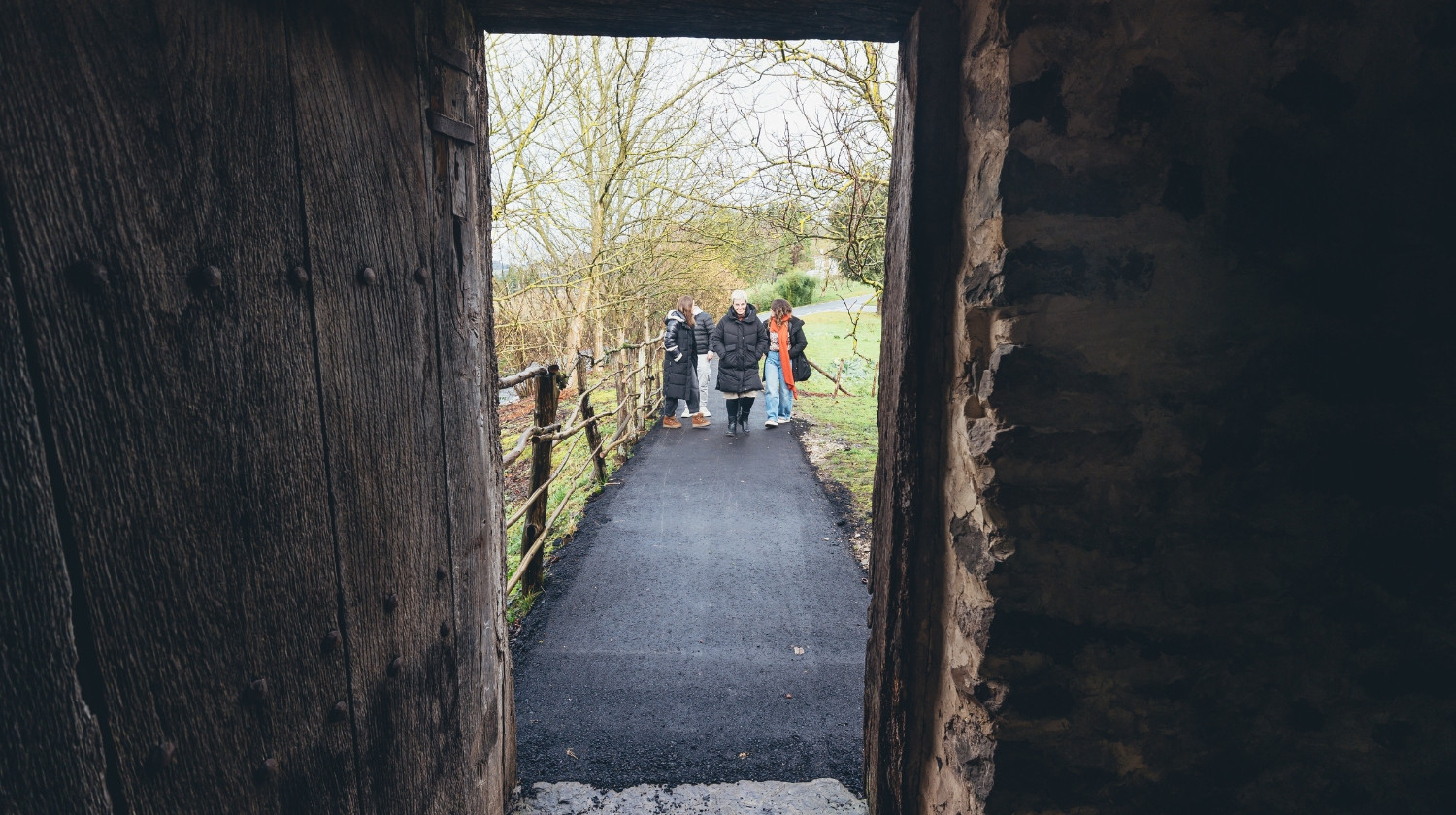
The ground floor: everyday life
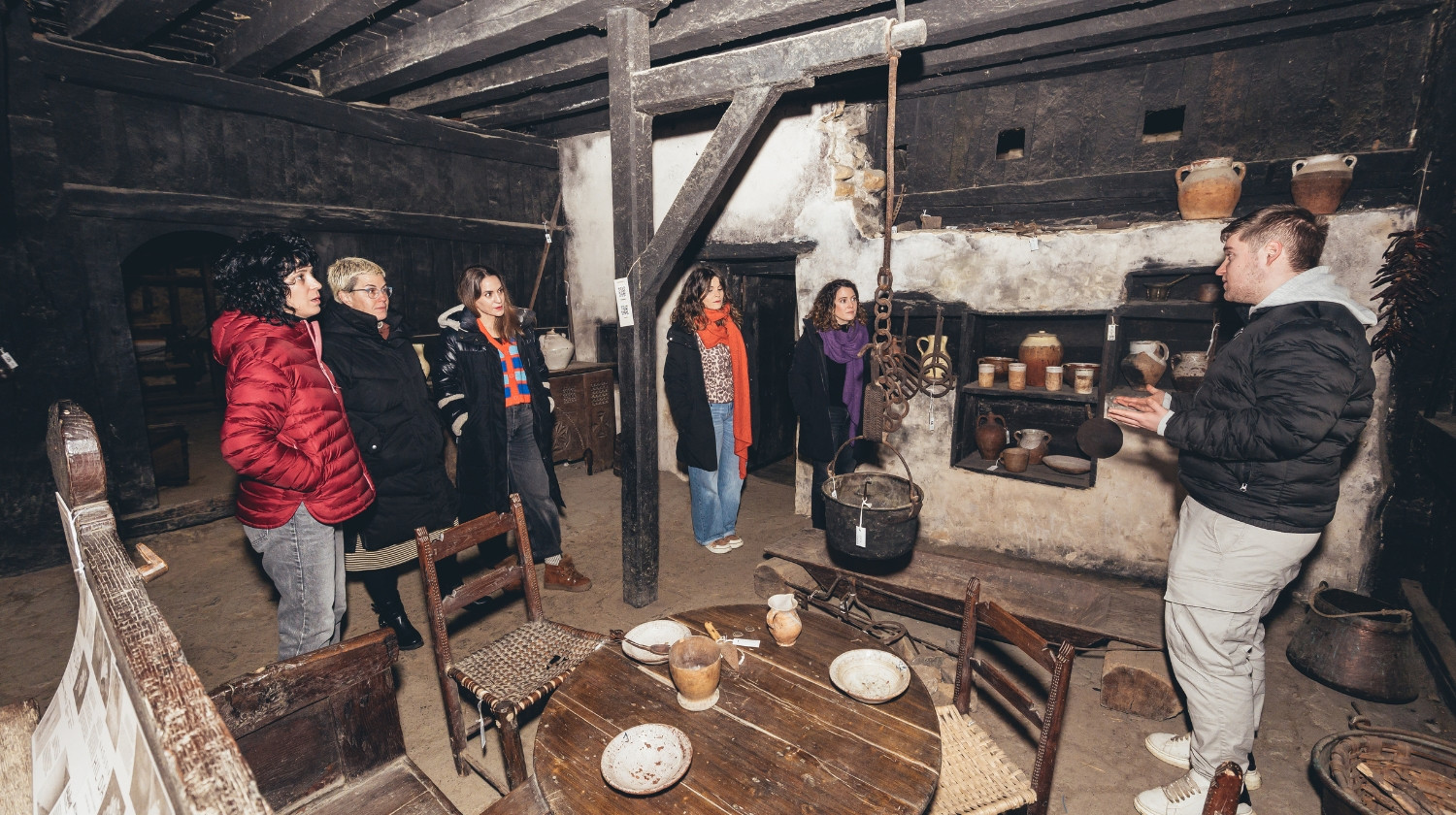
The kitchen, the heart of the home
The kitchen was the centre of family life. The fire was lit directly on the floor and was used both for cooking and heating. Around it, meals were shared, knowledge was passed down, and daily life was organised.
Family bedrooms
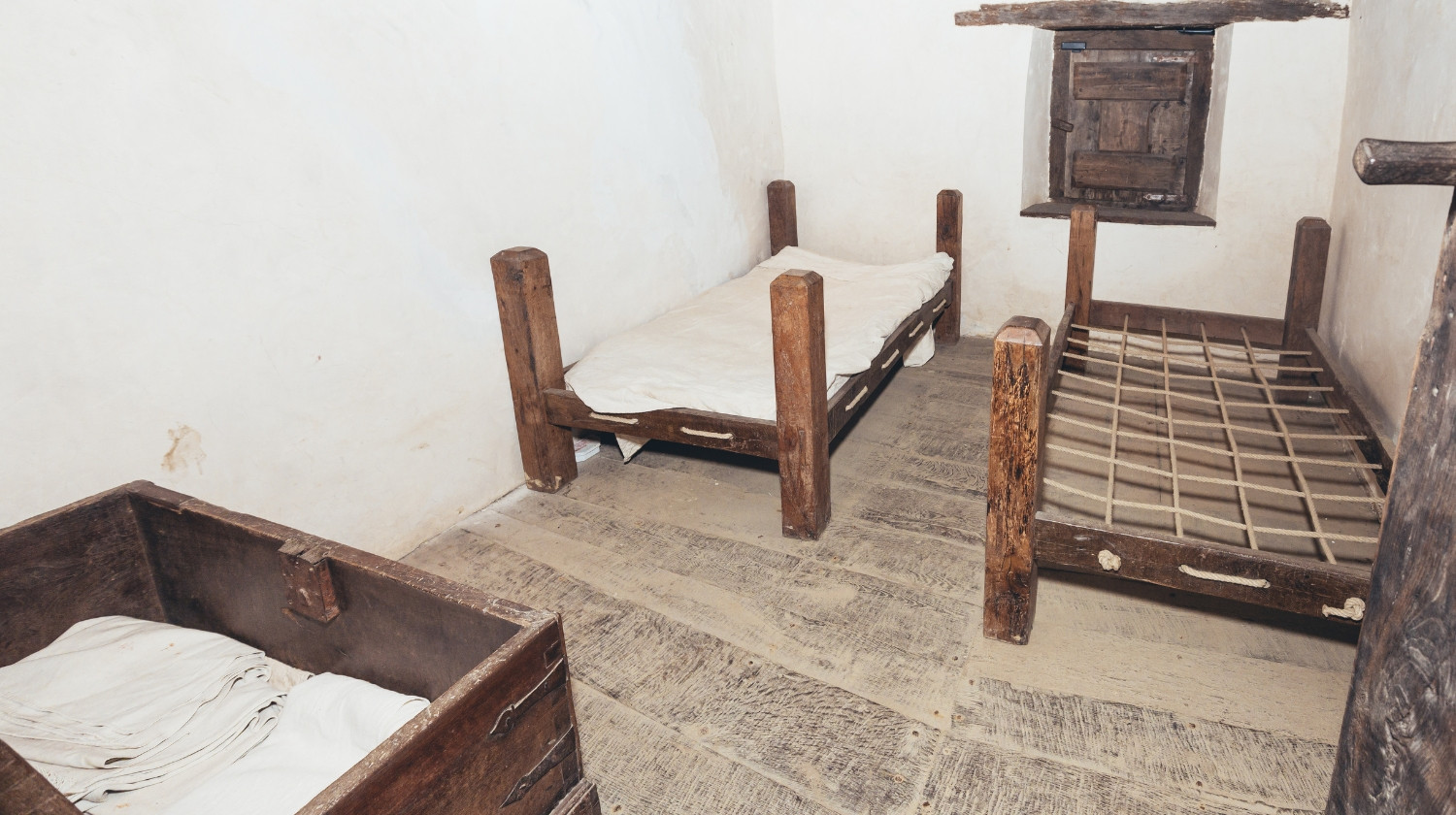
Next to the kitchen were the three bedrooms where the family slept. These were simple rooms, with few comforts, reflecting an austere way of life closely connected to nature and daily work.
Flax and weaving: textile work at home
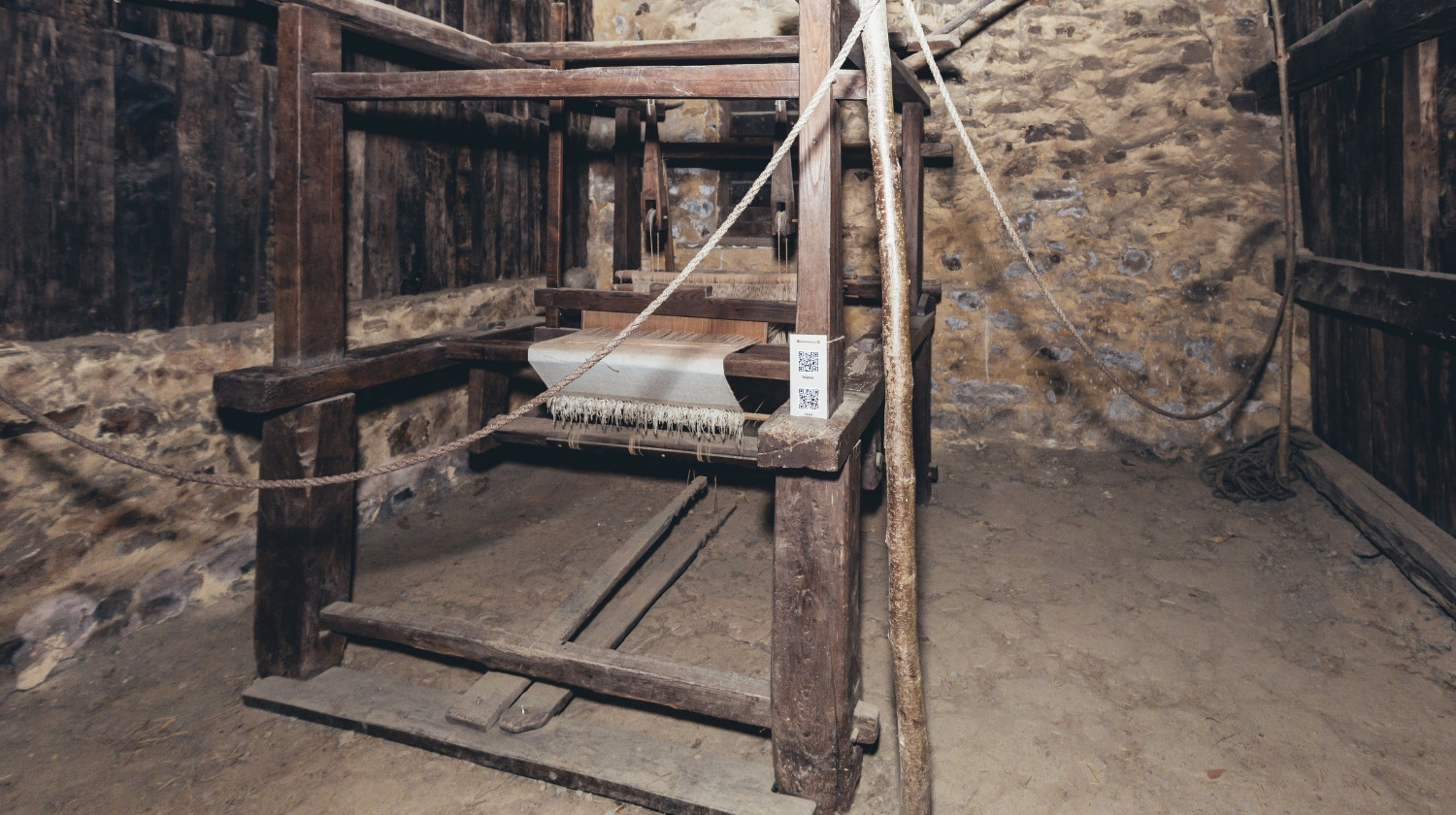
This floor also includes a small area dedicated to flax and weaving. Flax was grown nearby, dried, combed and spun inside the house, and then woven into clothing and everyday textiles. This space highlights domestic work and the importance of traditional crafts.
The cellar and the stable: cider alongside the animals
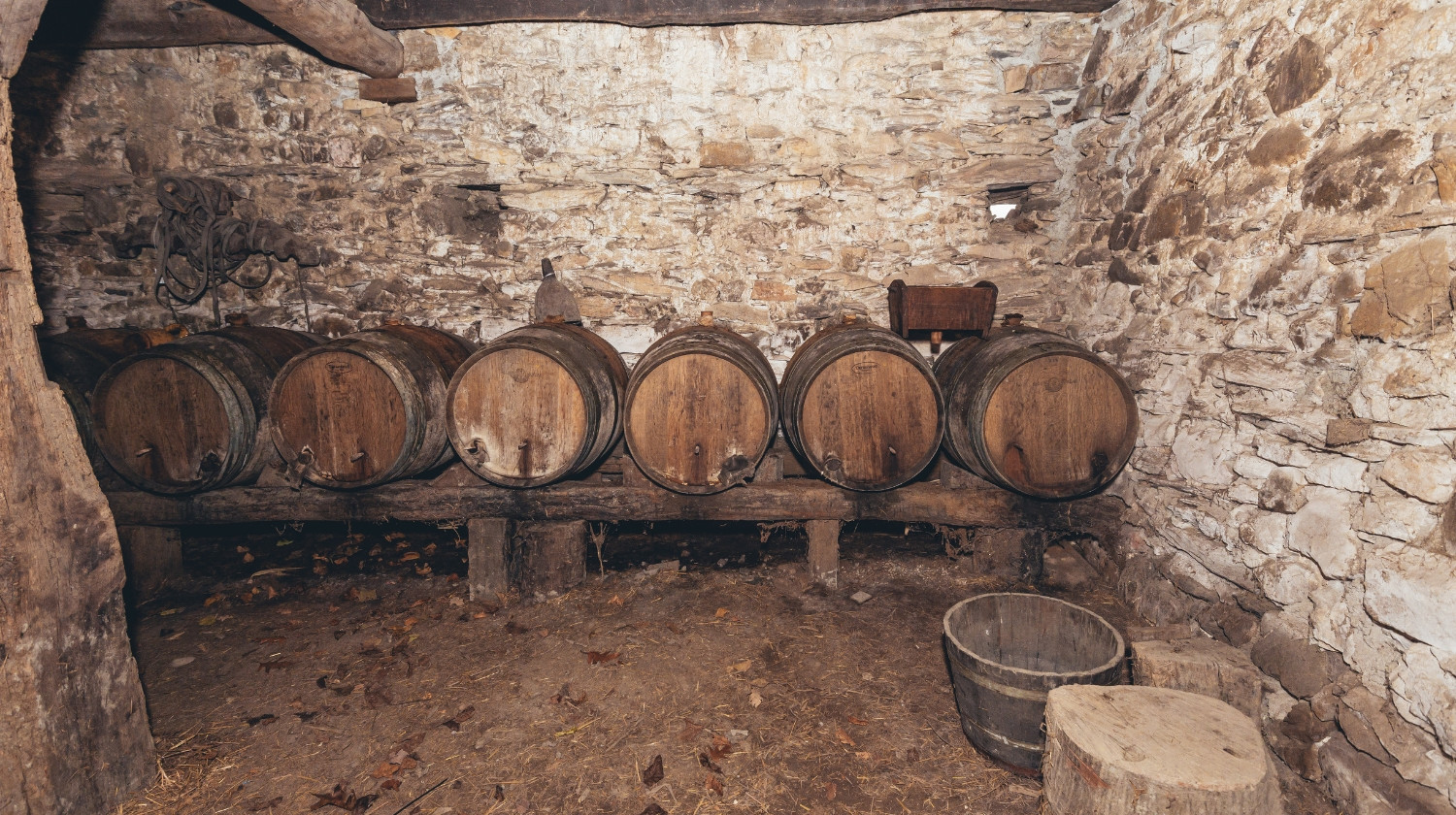
The cellar, with its wooden barrels, was located inside the stable. A few animals shared the space with the cider vats where apple juice fermented. The animals’ body heat helped maintain a stable temperature, improving fermentation — a clear example of smart use of resources.
The upper floor: work, storage and tradition
The cider press: the soul of Igartubeiti
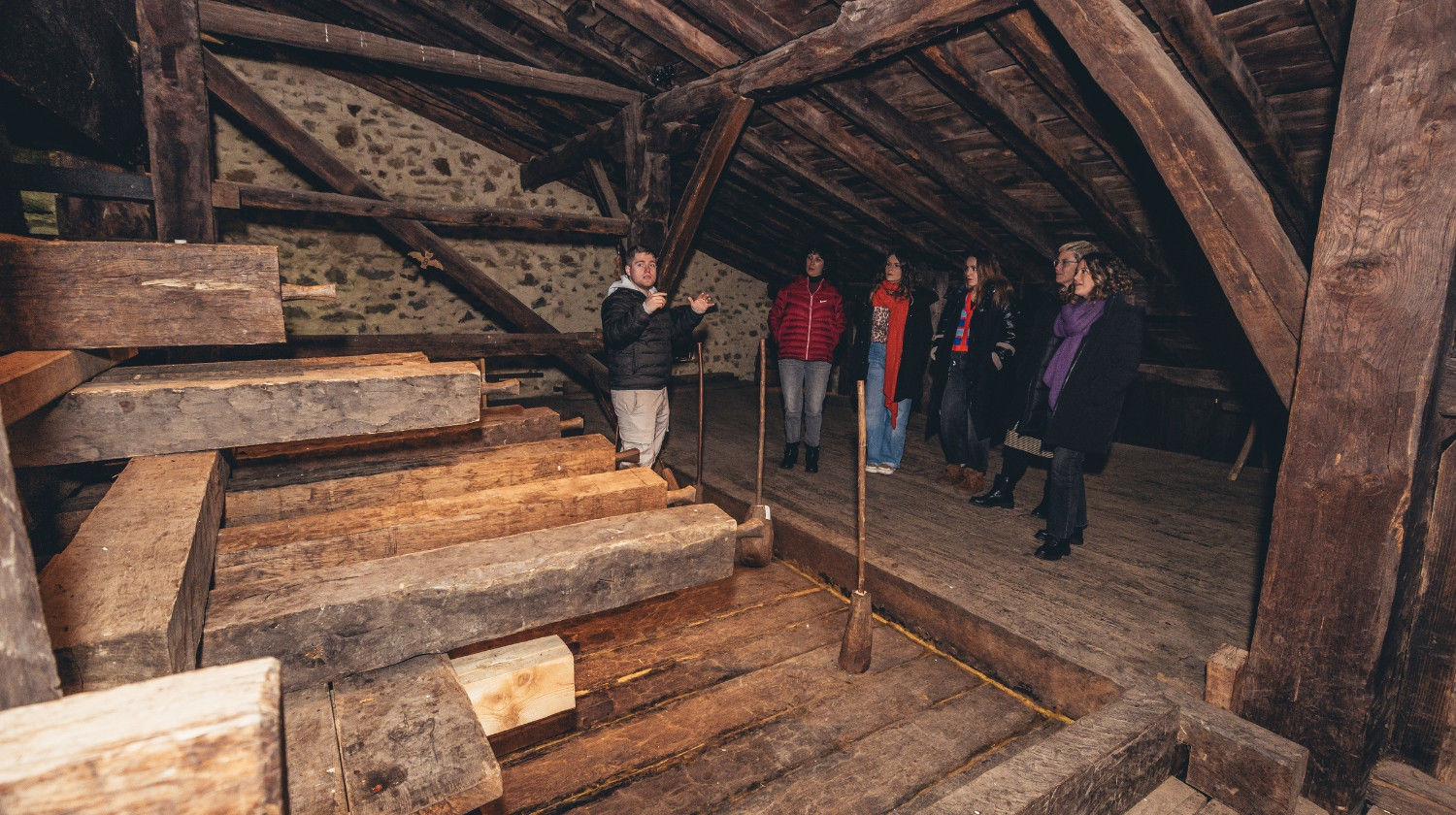
On the upper floor stands the most iconic feature of the farmhouse: the cider press. This huge wooden structure was used to press apples and extract the juice. Pressing required collective effort and set the rhythm of life in the farmhouse. Without cider, there wouldn’t be beam-press farms.
The granary: drying and storing corn
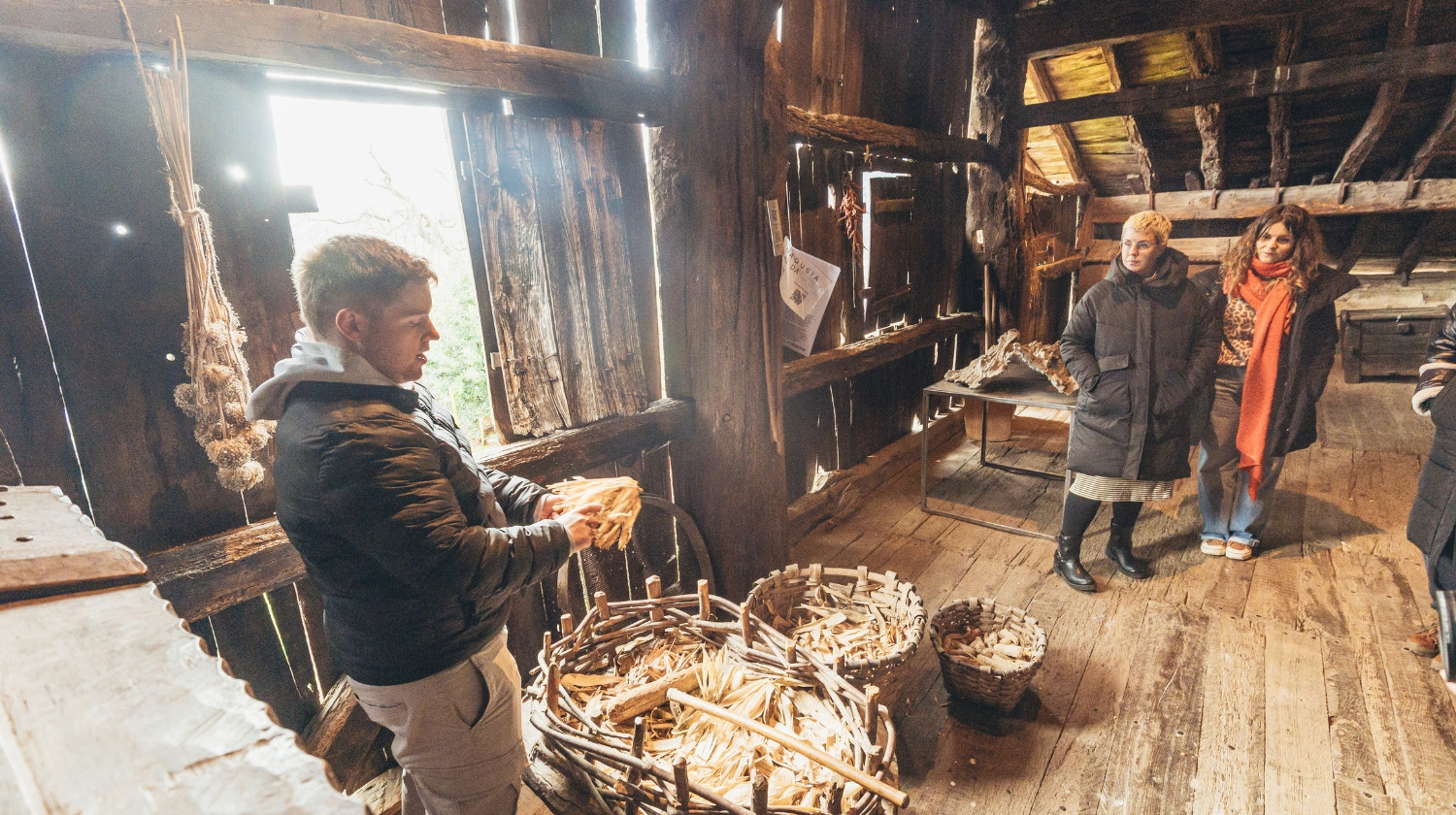
Next to the press is the granary, a well-ventilated space where corn was stored and dried. Since its arrival in the Basque Country, corn became a staple food, and the height and airflow of this floor allowed it to be preserved for months.
The carpentry workshop: wood as an essential resource
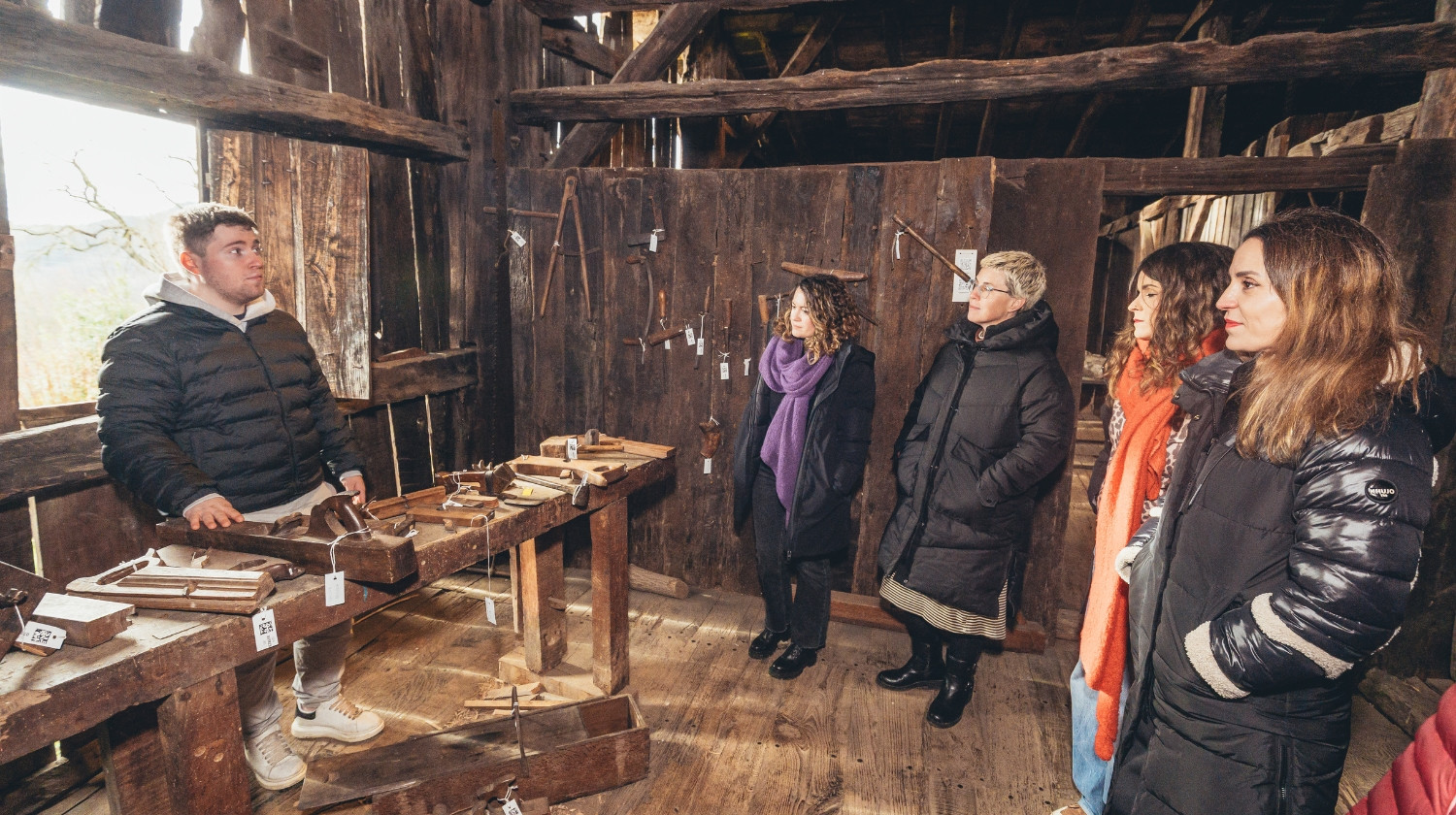
This floor also housed a carpentry area where tools, farming equipment and parts needed to maintain the farm, the press or the barrels were made and repaired. Wood was a key material, and working with it was essential.
The beehives
Another distinctive corner is dedicated to bees. Honey was one of the few natural sweeteners available and was used both as food and for medicinal purposes, once again reflecting the self-sufficient nature of the farmhouse.
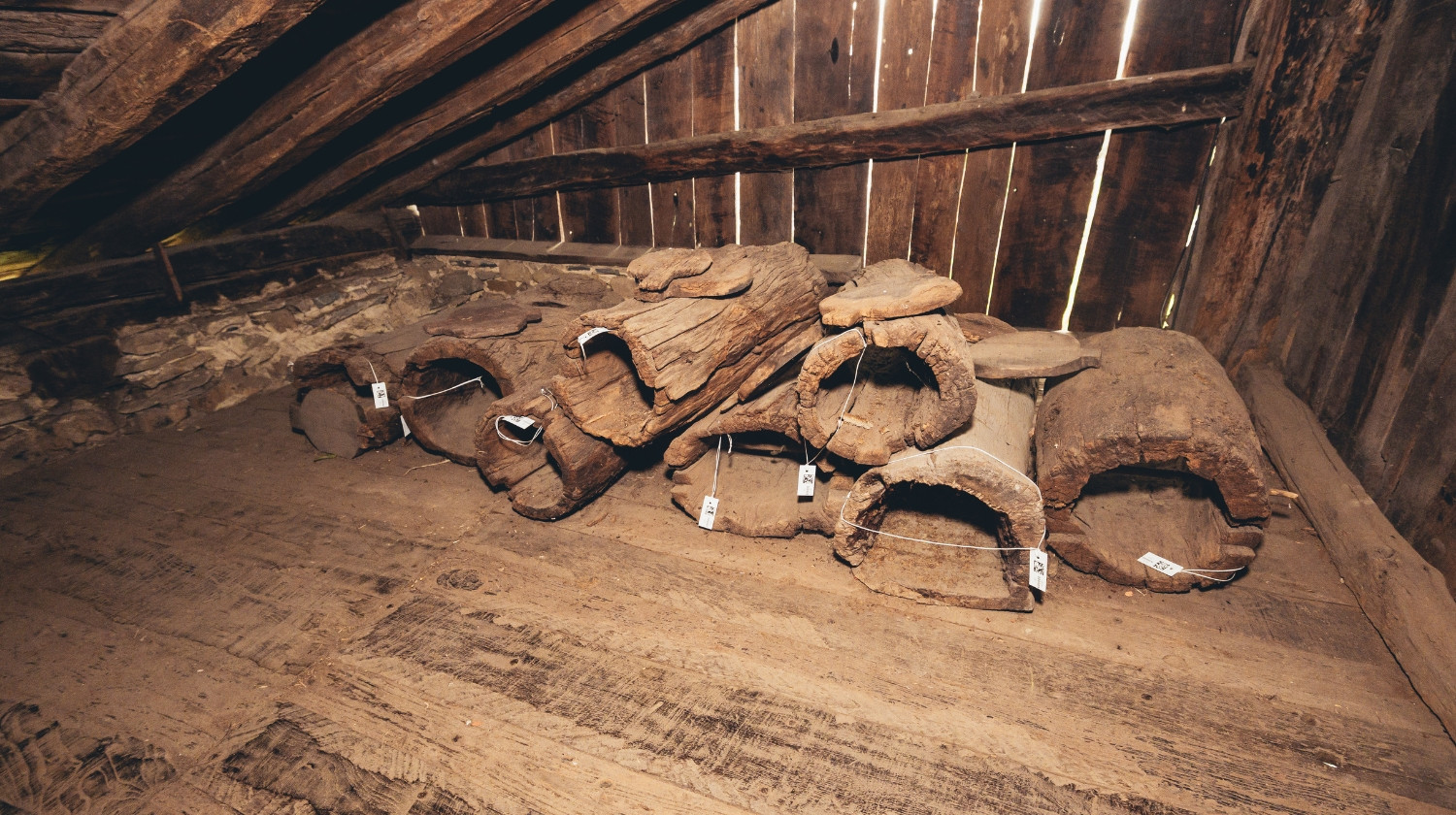
The txalaparta: the sound of cider and community
The upper floor also has a small txalaparta, a traditional Basque percussion instrument closely linked to cider culture. Originating in beam-press farms, it was played to announce that the new cider was ready, to call neighbours, or to celebrate special events. Played by two people striking wooden boards, it is now a symbol of Basque culture.
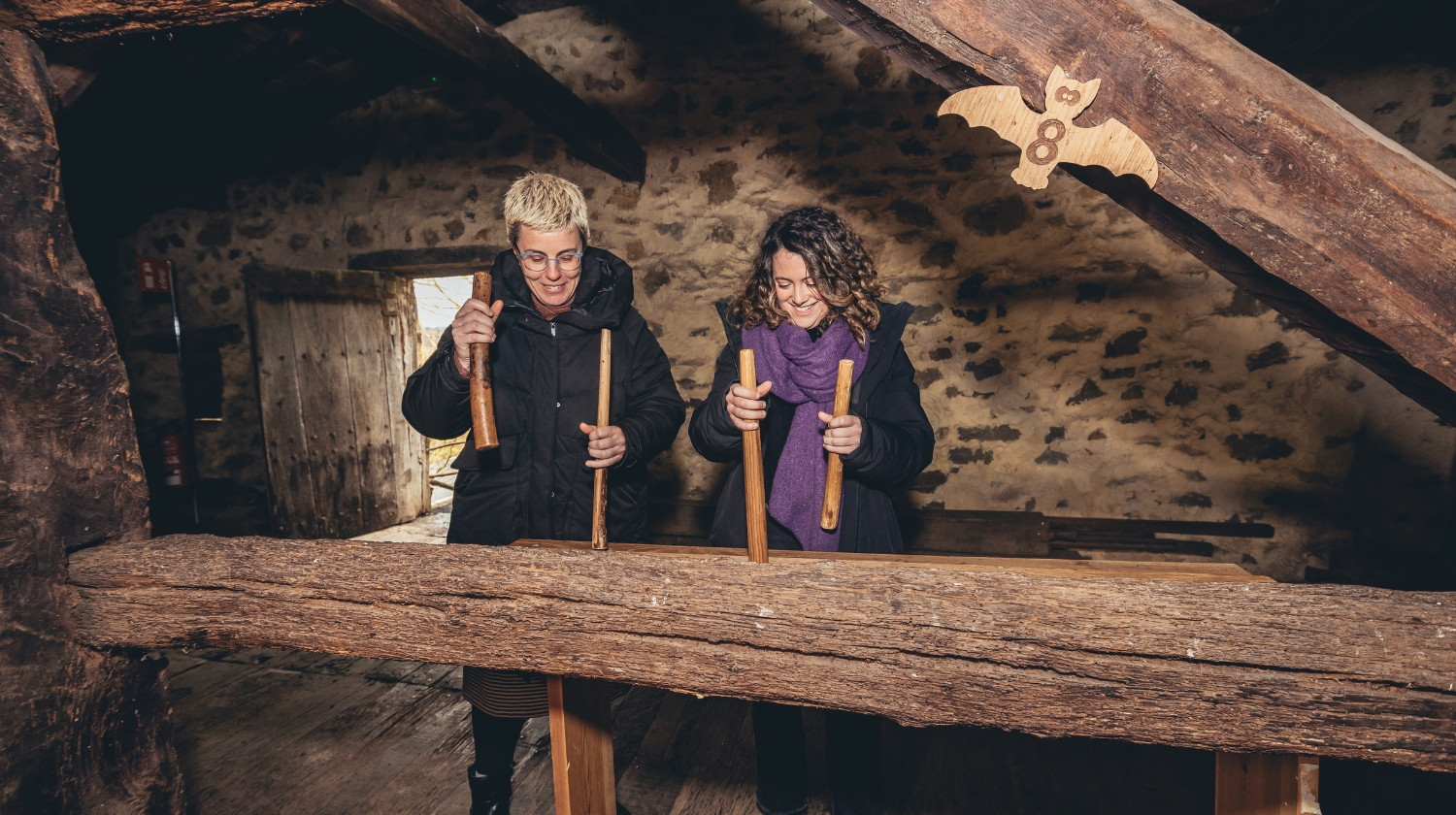
From Igartubeiti Farm to a cider cellar: a complete experience
The visit continues with a gastronomic experience at a traditional cider house, where history becomes flavour.
During the guided visit, you will taste Euskal Sagardoa cider, made exclusively from local apples, and you will learn about the entire production process.
One of the most anticipated moments is the txotx ritual: the barrel is opened and cider is tasted directly from it, learning how to serve it properly and enjoy this deeply rooted social tradition.
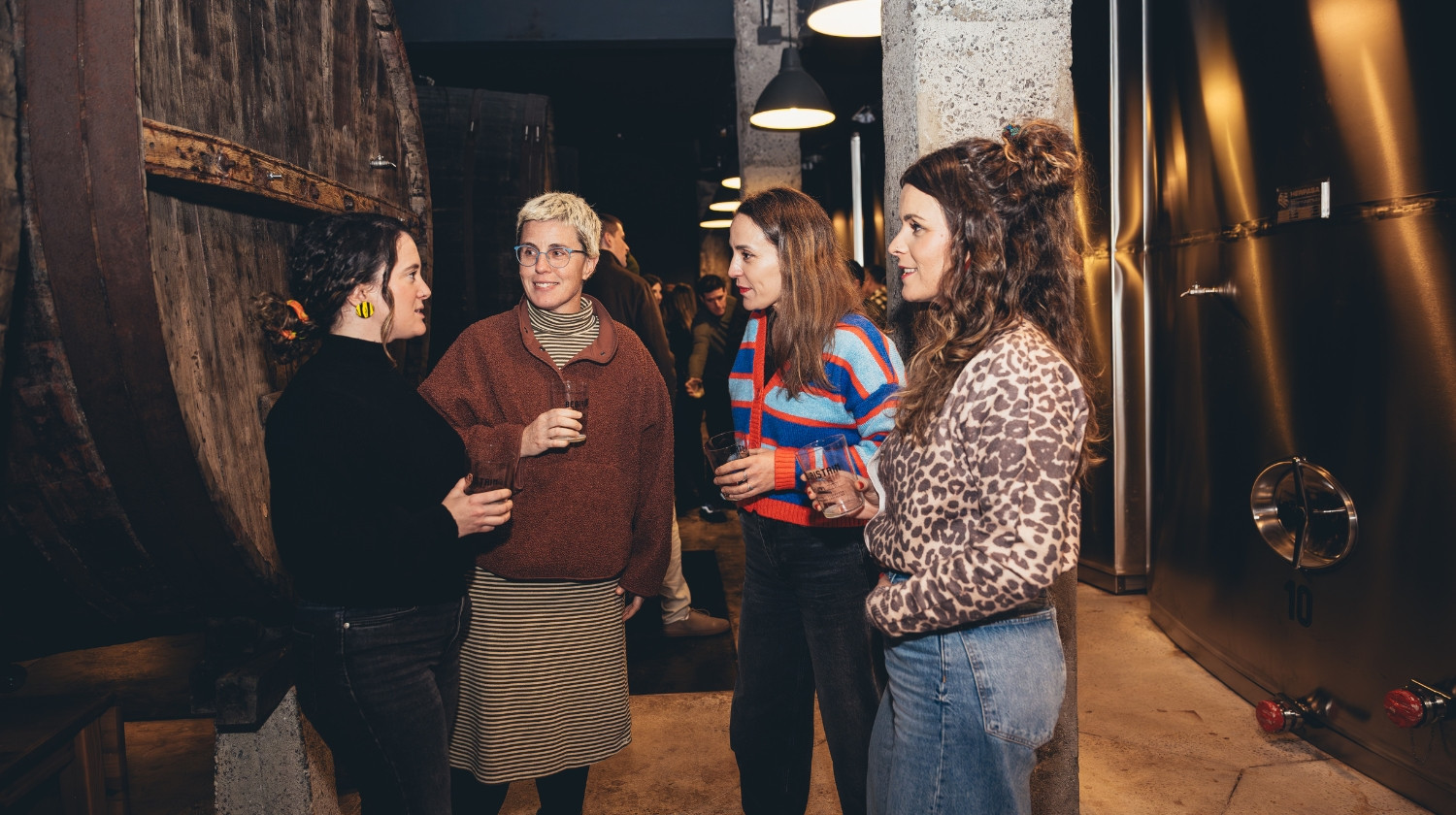
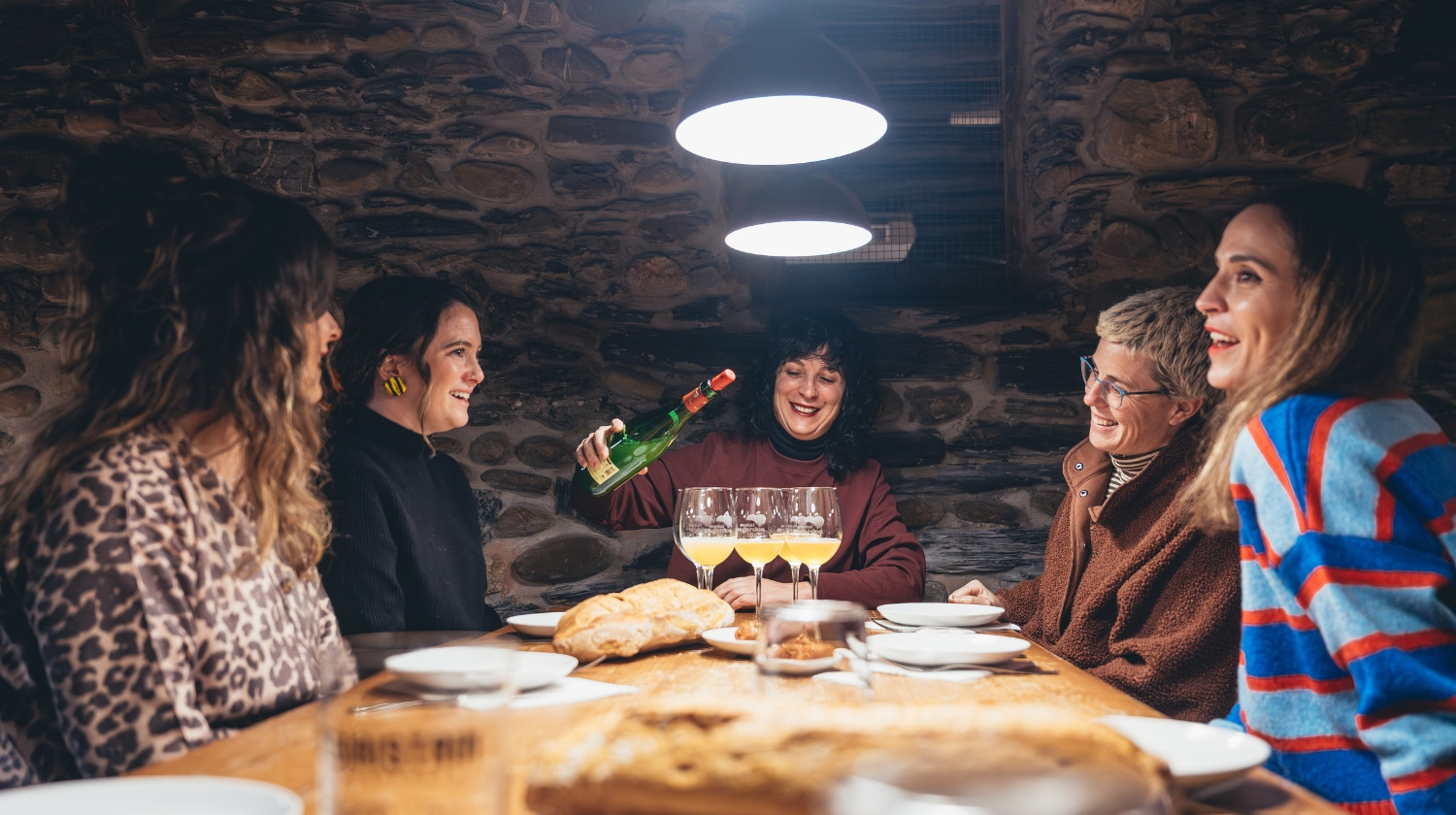
Traditional cider house menu
- Cod omelette
- Fried cod with peppers
- Grilled T-bone steak
- Idiazabal cheese, walnuts and quince jelly.
All accompanied by cider served at txotx and/or in the bottle.
A complete and flexible experience
This experience can be booked with or without transport, adapting to different needs and travel styles. It is ideal for those who want to discover Basque culture from the inside, combining heritage, tradition and gastronomy.
Between the sound of the txalaparta, the smell of fermenting apple juice and an unforgettable cider house meal, this experience offers an authentic immersion into the world of Basque cider.
More information about our tours:
BASQUE FARMHOUSE AND CIDER CELLAR
BASQUE FARMHOUSE AND CIDER CELLAR TRANSPORT/GUIDE INCLUDED